湘湖位于中国浙江省杭州市,是一个集自然风光与人文历史于一体的热门旅游目的地。无论是泛舟湖上、漫步古道,还是品味当地美食,湘湖都能满足旅行者对宁静与文化的双重追求。本文将为您详细介绍湘湖的必游景点、交通方式及实用贴士。
湘湖的自然景观与地理位置
Xianghu Lake is situated in the western part of Hangzhou, nestled between the city’s bustling core and the more tranquil outskirts, making it a unique ecological and cultural nexus. Spanning approximately 5.5 square kilometers, it is one of the largest freshwater lakes in the region and serves as a critical wetland ecosystem that supports diverse flora and fauna. The lake’s natural basin, formed by tectonic activity and sedimentation over millennia, creates a dynamic environment where water levels fluctuate seasonally—feeding into the broader Qiantang River system and acting as a natural buffer against urban flooding. Its surrounding wetlands are especially vital for migratory birds, including egrets, herons, and the endangered white stork, earning Xianghu recognition as an important site under the Ramsar Convention.
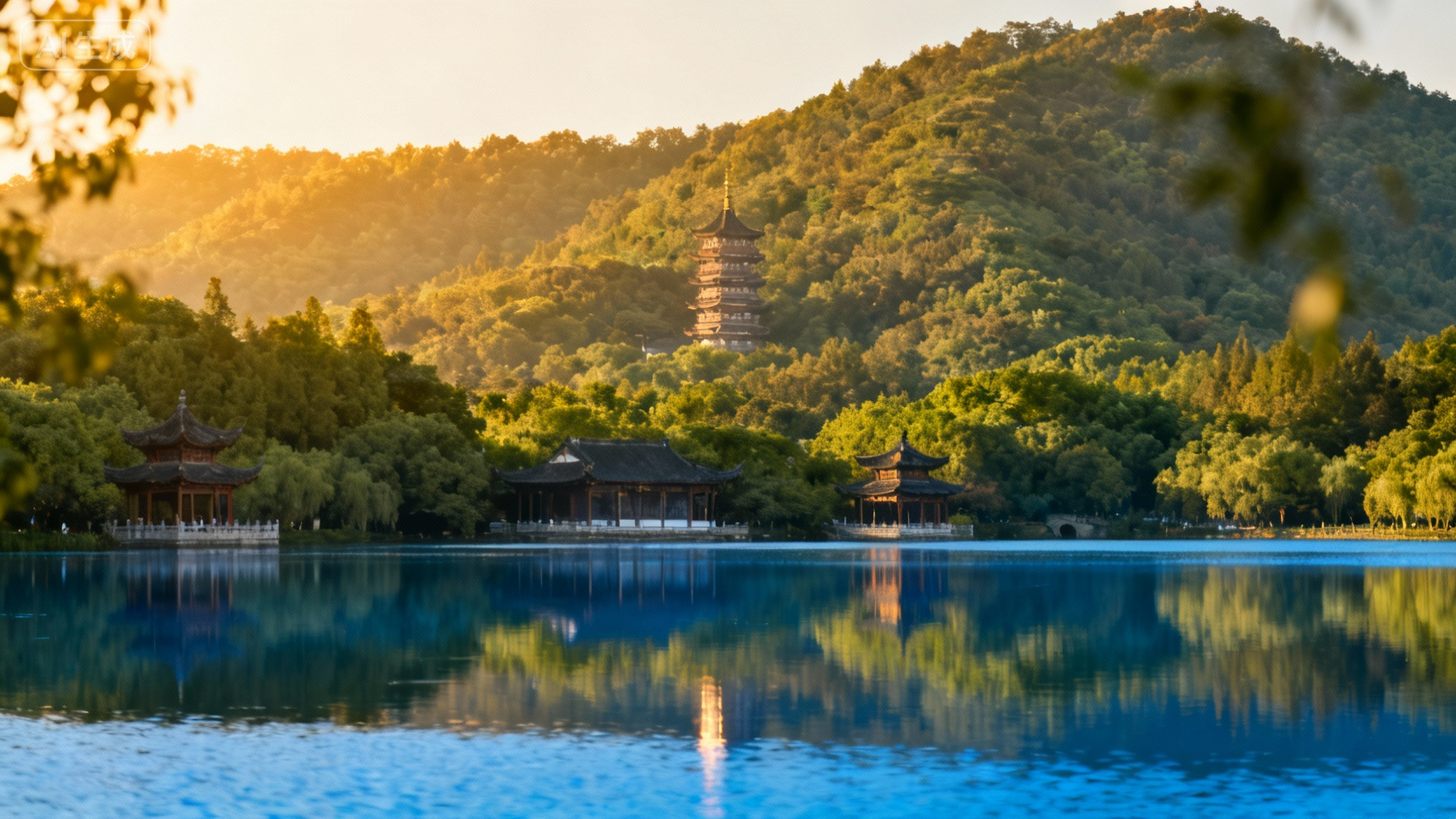
The lake is dotted with several small islands—some naturally formed, others shaped by human intervention—that offer tranquil retreats and panoramic views. Notable among these is Lotus Island, known for its traditional Chinese garden design and lotus blooms during summer. Scenic viewpoints such as the East Pier Observation Deck and the West Hill Trail provide sweeping vistas of the lake’s shimmering surface framed by low hills and bamboo groves. These areas are not only visually striking but also ecologically sensitive, serving as habitats for amphibians, insects, and aquatic plants that maintain the lake’s biodiversity.
What makes Xianghu particularly valuable is how it balances conservation with accessibility. Unlike some protected areas, it allows visitors to experience nature up close while preserving its integrity through strict environmental management. This delicate equilibrium has turned the lake into a model for sustainable tourism in China—a living example of how urban expansion can coexist with ecological preservation. For travelers seeking both serenity and insight, Xianghu offers a rare opportunity to witness how geography shapes not just landscapes, but entire ecosystems.
历史文化遗迹与周边景点
Xianghu Lake is not just a scenic body of water—it carries centuries of cultural legacy. The lake’s historical significance dates back to the Tang Dynasty, when it was a hub for scholars and poets who found inspiration in its tranquil waters. One of the most notable landmarks is the **Wu Wang Temple**, built during the Song Dynasty to honor local heroes and officials who contributed to regional governance. The temple’s architecture reflects traditional Chinese design with curved roofs and intricate wood carvings, offering insight into the spiritual life of ancient Hangzhou residents. Nearby, the **Xianghu Pagoda**, a five-story stone structure from the Ming era, stands as a silent guardian over the lake, symbolizing both religious devotion and civic pride. Archaeological excavations around the lake have unearthed artifacts from the Neolithic Liangzhu culture, revealing that this area was once a center of early agricultural and ritual practices.
Visitors seeking deeper cultural immersion can explore the nearby **Liangzhu Museum**, which houses thousands of relics from the prehistoric civilization that flourished along the lake’s shores. Just a short walk from the museum lies the traditional village of **Chengguan**, where old-style stone pathways, rice paddies, and family-run workshops showcase rural life preserved through generations. For those interested in walking trails, the **Xianghu Cultural Path** winds through bamboo groves, ancient bridges, and small temples, offering an immersive journey through history and nature. Each step on this trail reveals layers of meaning—whether it’s a carved stone tablet from the Qing Dynasty or a folk tale whispered by local elders. These sites collectively reflect the harmony between human activity and natural environment that defines the region’s identity, making Xianghu more than a destination—it’s a living archive of Hangzhou’s soul.
游玩建议与实用信息
To make the most of your visit to Xianghu Lake, start by planning your transportation wisely. If you’re coming from Hangzhou city center, the easiest way is via public transit: take Metro Line 1 or Line 5 to Xianghu Station, then a short bus ride (Route 720 or 730) to the lake entrance—this avoids traffic and parking hassles. Alternatively, if driving, use GPS to navigate to the main southern entrance near the Xianghu Wetland Park; ample free parking is available, though it fills up quickly on weekends. The lake is open daily from 6:00 AM to 9:00 PM in summer and 7:00 AM to 8:00 PM in winter, with extended hours during festivals like the Dragon Boat Festival or the annual Lotus Festival in July.
For activities, boating is a must—rent a paddleboat or rowboat for a quiet glide across the water, especially at sunrise when reflections shimmer off the surface. Hiking trails around the eastern shore offer panoramic views and connect to the ancient Xianghu Temple path, which you may have seen in the previous chapter. Photography enthusiasts should head to the northern tip near the lotus fields between June and August—the golden light before sunset creates stunning natural compositions. Don’t miss the scenic bike paths that loop around the lake; they’re perfect for leisurely exploration.
Local cuisine shines at the lakeside food stalls near the western pier. Try the famous *Xianghu fish soup*, made with fresh carp from the lake, or *lotus root starch cakes*—a traditional snack sold by elderly vendors who’ve been making them for decades. Entrance fees are modest: about ¥30 for the main park area, with additional charges for boat rentals or museum access (¥10–¥20). Keep an eye out for seasonal events—like the Autumn Moon Lantern Festival in October—which transforms the lake into a magical display of light and culture.
Conclusions
湘湖不仅以其秀丽的山水风光吸引游客,还承载着深厚的历史文化底蕴。从湖光山色到人文遗迹,每一处细节都值得细细品味。无论您是寻求放松的度假者,还是热爱探索的文化爱好者,湘湖都是一个不容错过的理想目的地。